
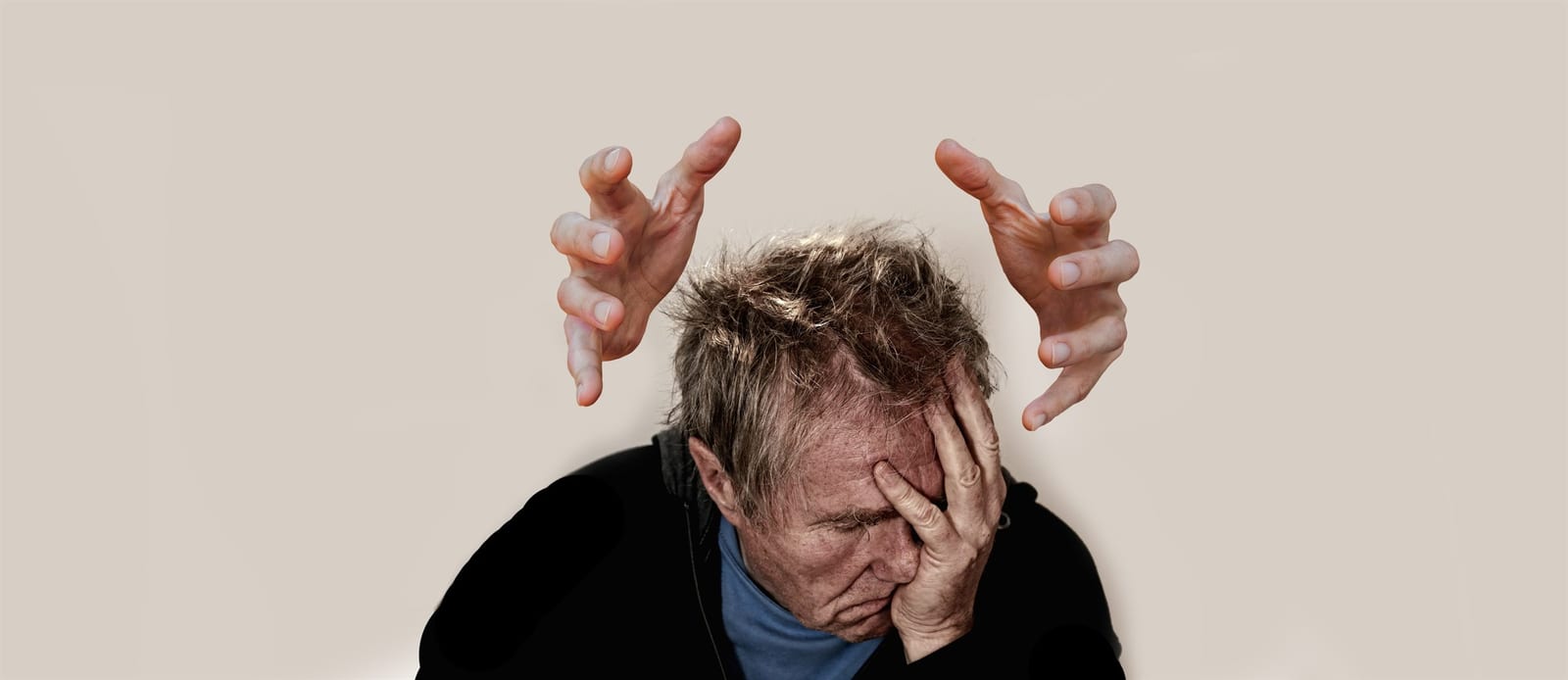
The basics
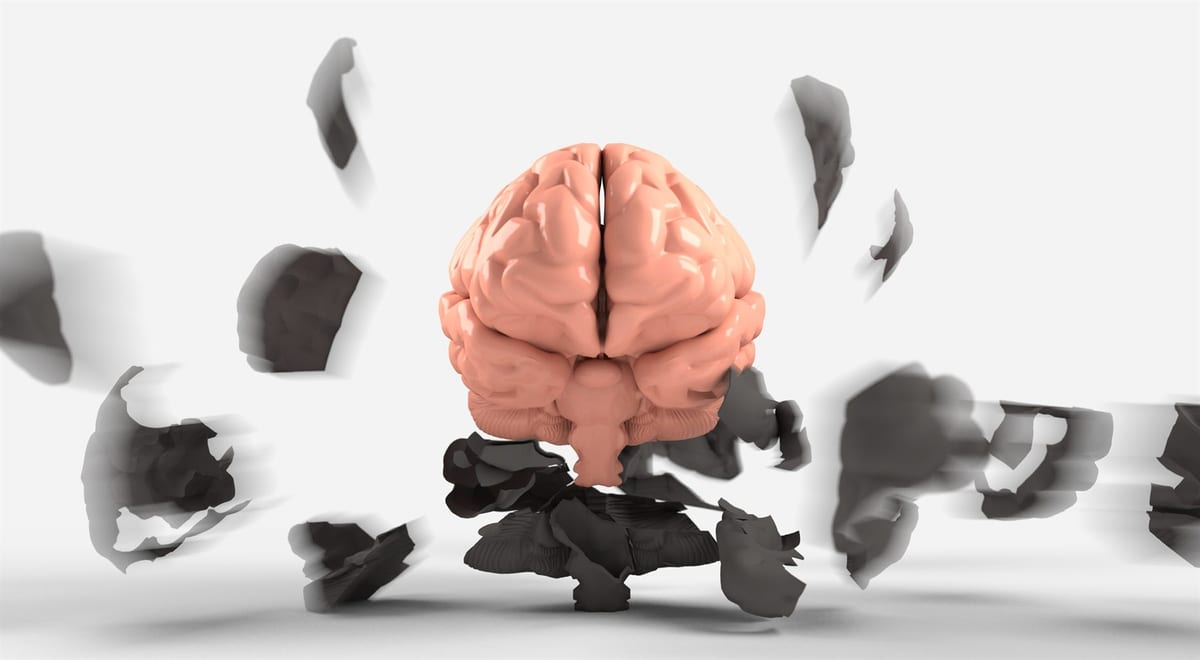
Understanding Bipolar Disorder
Bipolar disorder is a complex mental health condition marked by extreme mood swings, including emotional highs (mania or hypomania) and lows (depression). These episodes can disrupt daily life, affecting work, relationships, and overall stability.
- Involves distinct episodes of mania, hypomania, or depression that can vary in intensity and duration.
- Affects people differently, which is why an accurate diagnosis matters before starting treatment.
- Often responds well to a combination of medication and therapy over time.
- Can coexist with other mental health conditions, like anxiety, that need to be addressed together.
Every patient's experience with bipolar disorder looks a little different. Our team works closely with each person to understand their specific symptoms and build a treatment plan around them.
What it looks like
Signs and Symptoms of Bipolar Disorder
Symptoms of bipolar disorder vary depending on whether someone is experiencing a manic, hypomanic, or depressive episode.

Common Symptoms
- Experiencing a surge of energy, restlessness, or an unusually euphoric mood.
- Having racing thoughts or talking more quickly than usual.
- Needing much less sleep than usual without feeling tired.
- Making impulsive decisions, like risky spending or reckless driving.
- Feeling an inflated sense of self-esteem or unrealistic confidence.
- Engaging in risky or impulsive behaviors without considering the consequences.
- Feeling persistent sadness, hopelessness, or despair.
- Experiencing fatigue, low energy, or a general loss of motivation.
- Losing interest in daily activities or hobbies you used to enjoy.
- Struggling to concentrate or make even simple decisions.
- Sleeping much more or much less than usual.
- Having thoughts of self-harm or suicide, which should always be treated as urgent and taken seriously.
If any of these symptoms sound familiar, a professional evaluation can help determine what's going on. If you're having thoughts of self-harm or suicide, please reach out for help right away — our team is here to support you.
Schedule an AppointmentWhat causes it
Causes of Bipolar Disorder
The exact cause of bipolar disorder isn't fully understood, but research points to several contributing factors:
Genetics
Bipolar disorder often runs in families, and having a close relative with the condition significantly raises the risk of developing it.
In most cases, bipolar disorder develops from a combination of these factors rather than a single cause. Understanding your background helps our providers build a more informed treatment plan.
Schedule an AppointmentHow we treat it
Bipolar Disorder Treatment Options at Clarity Psychiatry
Medication Management
Medication is often a key part of bipolar disorder treatment. Our psychiatrists carefully evaluate each patient's symptoms to determine the most effective approach, which may include mood stabilizers like lithium, lamotrigine, or valproic acid, along with antipsychotic or antidepressant medications when appropriate.
Bipolar Disorder Therapy
Therapy is an essential part of managing bipolar disorder, helping patients develop coping skills and recognize emotional triggers. We offer Cognitive Behavioral Therapy (CBT) to identify and change negative thought patterns, and Interpersonal and Social Rhythm Therapy (IPSRT) to help stabilize daily routines and social interactions.
Across every age
Bipolar Disorder Treatment for Teens and Adults
Bipolar Disorder Treatment for Teens
Bipolar disorder in teens can show up as mood swings, irritability, or changes in sleep and behavior. We offer therapy tailored for adolescents, education for families, and carefully monitored treatment plans to manage symptoms and support daily functioning.
Your first visit
What to Expect at Your First Appointment
Your first visit includes a thorough assessment of your symptoms and a conversation about your treatment options. We'll take the time to answer your questions and make sure you fully understand your diagnosis.
By the end of your appointment, you'll have a personalized treatment plan built to help you regain stability and emotional balance.


Questions
FAQs on Bipolar Disorder Treatment
What causes bipolar disorder?
−Bipolar disorder develops from a mix of genetics, brain chemistry, environmental triggers, and sometimes hormonal changes. In most cases, it's a combination of these factors rather than a single cause.