

The basics
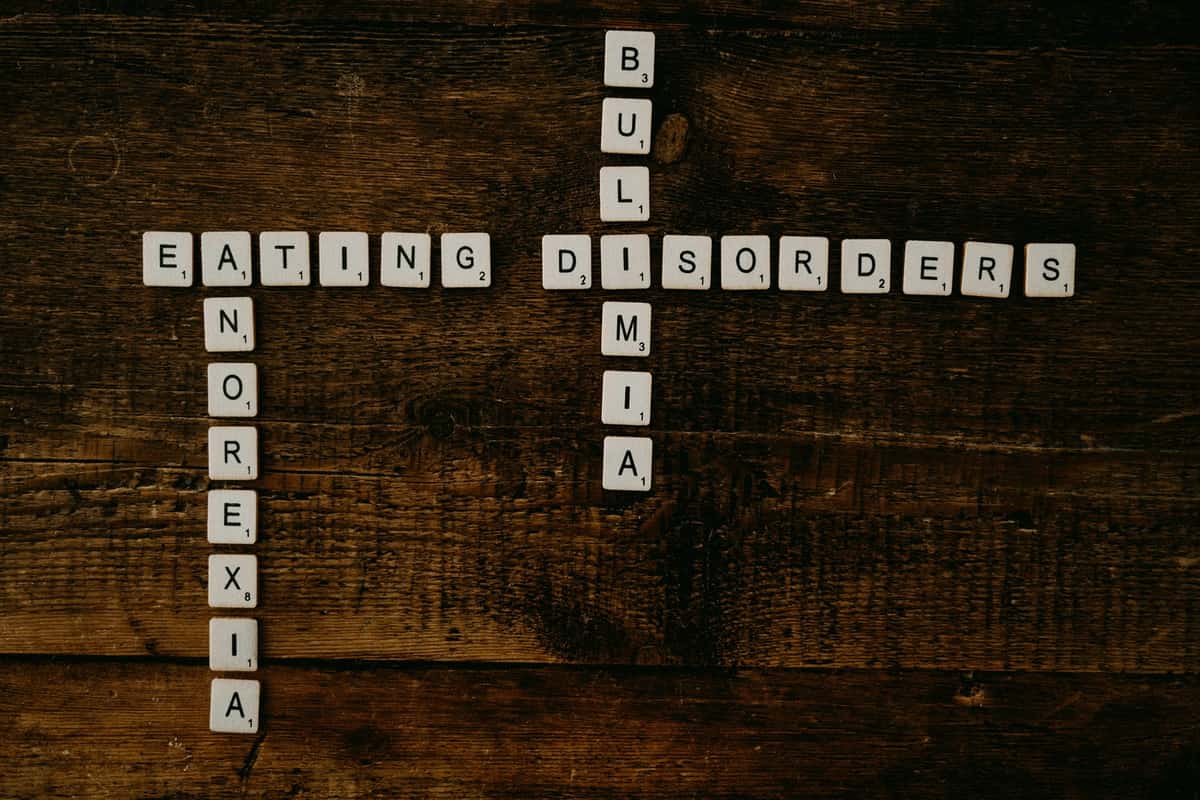
Understanding Eating Disorders
Eating disorders are complex mental health conditions that affect a person's relationship with food and body image, often bringing serious physical and psychological consequences. Effective treatment starts with understanding the underlying factors driving the disorder, not just the behaviors on the surface.
- Anorexia Nervosa - Involves an intense fear of gaining weight alongside a distorted body image, often leading to significantly restricted eating.
- Bulimia Nervosa - Involves cycles of binge eating followed by behaviors meant to prevent weight gain.
- Binge Eating Disorder - Involves recurring episodes of eating unusually large amounts of food, often followed by guilt or shame.
Every person's experience with an eating disorder is different. We build treatment plans that address the behaviors as well as the emotional and psychological factors behind them.
What it looks like
Signs and Symptoms of Eating Disorders
Recognizing the signs of an eating disorder early supports better outcomes. Common signs include:

Common Signs
- Becoming preoccupied with weight, dieting, or body image in a way that disrupts daily life.
- Showing extreme concern or rigid rules around food and eating habits.
- Experiencing noticeable weight changes or fluctuations.
- Perceiving your body in a way that doesn't match how others see you.
- Eating in secret or engaging in behaviors meant to control weight after eating.
- Feeling significant emotional distress or anxiety connected to food or body image.
If these signs sound familiar for you or someone you love, reaching out for support matters. With the right treatment, recovery is genuinely possible.
Schedule an AppointmentWhat causes it
Causes of Eating Disorders
Genetics
A family history of eating disorders can increase the likelihood of developing similar patterns, since genetic factors influence vulnerability to certain mental health conditions.
Eating disorders rarely come from just one cause. Understanding your specific background helps our team build a more effective, personalized treatment plan.
Schedule an AppointmentHow we treat it
Eating Disorder Treatment Options at Clarity Psychiatry
Therapy for Recovery
Therapy plays a central role in recovery. We offer Cognitive Behavioral Therapy (CBT) to help identify and change unhelpful thoughts and behaviors around food and body image, Family Therapy to help loved ones understand the disorder and support recovery, and Dialectical Behavior Therapy (DBT) to help manage emotions and reduce harmful behaviors.
Medication Management
Medication may be prescribed alongside therapy to help manage co-occurring conditions like anxiety, depression, or OCD, which often accompany eating disorders.
Nutritional Support
Proper nutrition is an important part of recovery. Our team works alongside you to help restore a healthier, more balanced relationship with food.
Virtual Sessions
For added convenience, we offer virtual sessions for patients who prefer attending from home.
Across every age
Eating Disorder Treatment for Teens and Adults
Eating Disorder Treatment for Teens
Early intervention matters most for teens, who often benefit from family-based therapy alongside nutritional counseling and individual psychotherapy. Treatment focuses on restoring healthy eating patterns, building self-esteem, and supporting emotional well-being.
Your first visit
What to Expect at Your First Appointment
Your first appointment starts with a review of your medical history, eating patterns, and psychological well-being to fully understand your situation. We'll conduct a thorough assessment to help determine the most effective treatment approach for your needs.
From there, we'll work with you to build a personalized care plan, with resources and support available for family members too, in a safe, non-judgmental space.


Questions
FAQs on Eating Disorder Treatment
What are the warning signs of an eating disorder?
−Common warning signs include preoccupation with weight or dieting, noticeable changes in eating habits, distorted body image, secretive eating or food-related behaviors, and emotional distress connected to food or appearance.