

The basics
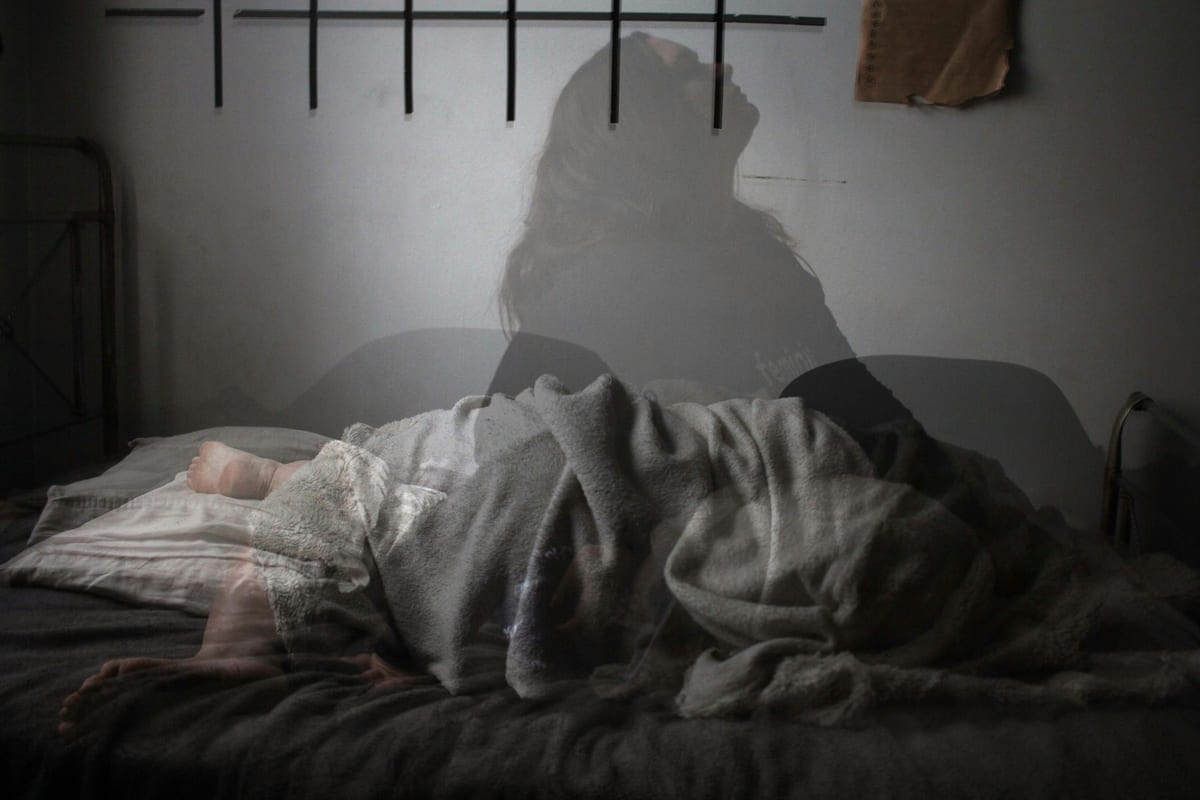
Understanding Sleep Disorders
A sleep disorder disrupts your natural sleep cycle, making it difficult to fall asleep, stay asleep, or wake up feeling refreshed. Left untreated, sleep disorders can lead to chronic fatigue, mood swings, difficulty concentrating, and a higher risk of health issues like heart disease and depression.
- Insomnia - Affects your ability to fall or stay asleep. Our insomnia treatment helps identify the underlying cause and restore healthier sleep patterns.
- Parasomnias - Include sleepwalking, night terrors, and other disruptive nighttime behaviors. Our approach helps reduce episodes and improve sleep safety.
A personalized evaluation can help clarify what is disrupting your sleep and which care options may be most appropriate.
What it looks like
Signs and Symptoms of Sleep Disorders
Sleep disorders can show up in different ways. Common signs include:

Common Signs
- Having difficulty falling asleep or staying asleep through the night.
- Feeling tired even after what should be a full night's rest.
- Snoring loudly or experiencing pauses in breathing during sleep, which can signal sleep apnea.
- Experiencing frequent nightmares or night terrors.
- Tossing and turning, or dealing with restless legs at night.
- Struggling to focus or stay alert during the day.
- Noticing mood changes, irritability, or increased anxiety tied to poor sleep.
If several of these signs sound familiar, a sleep evaluation can help identify what's going on. Restoring healthy sleep often improves far more than just how rested you feel.
Schedule an AppointmentWhat causes it
Causes of Sleep Disorders
Chronic Stress & Anxiety
High levels of stress and anxiety can keep your mind overactive, making it difficult to relax and fall asleep.
Sleep disorders are rarely caused by just one factor. Understanding what is contributing to yours helps our team build a more effective, personalized treatment plan.
Schedule an AppointmentHow we treat it
Sleep Disorder Treatment Options
CBT-I for Insomnia
CBT-I is one of the most effective treatments for insomnia. Our specialists use CBT techniques to help you retrain your brain for better sleep, addressing negative thoughts, anxiety, and unhealthy bedtime habits.
Medication Management
In some cases, medication may help regulate sleep. Our providers carefully assess your symptoms and recommend the safest, most effective options for improving sleep.
Non-Medication Sleep Support
We also draw on non-medication approaches that help improve sleep naturally, including mindfulness and relaxation techniques to quiet the mind before bed, sleep hygiene counseling for practical routine changes, and light therapy or sleep restriction therapy to help reset your body's sleep-wake cycle.
ADHD-Specific Sleep Strategies
People with ADHD often struggle with sleep, including difficulty falling asleep, waking frequently, or feeling restless at night. We offer ADHD-specific sleep strategies to help manage these difficulties and improve focus and energy levels.
Across every age
Sleep Disorder Treatment for Teens and Adults
Sleep Support for Teens
Sleep issues in teens can be linked to school stress, hormonal shifts, anxiety, or underlying mental health concerns. We provide age-appropriate evaluations and treatment plans designed to restore healthy sleep patterns and support daytime functioning.
Your first visit
What to Expect at Your First Appointment
Your first visit focuses on understanding your sleep issues and building a personalized treatment plan. We'll conduct a thorough sleep assessment to evaluate your sleep patterns, habits, and symptoms.
We'll discuss potential treatment options, including CBT-I, medication, or lifestyle adjustments tailored to your needs, and schedule regular follow-ups to monitor your progress and adjust your plan as needed.


Questions
FAQs on Sleep Disorder Treatment
What are the most common sleep disorders?
−Common sleep disorders include insomnia, sleep apnea, parasomnias like sleepwalking or night terrors, and restless legs syndrome. Many of these are also closely tied to mental health conditions like anxiety, depression, or ADHD.