

The basics
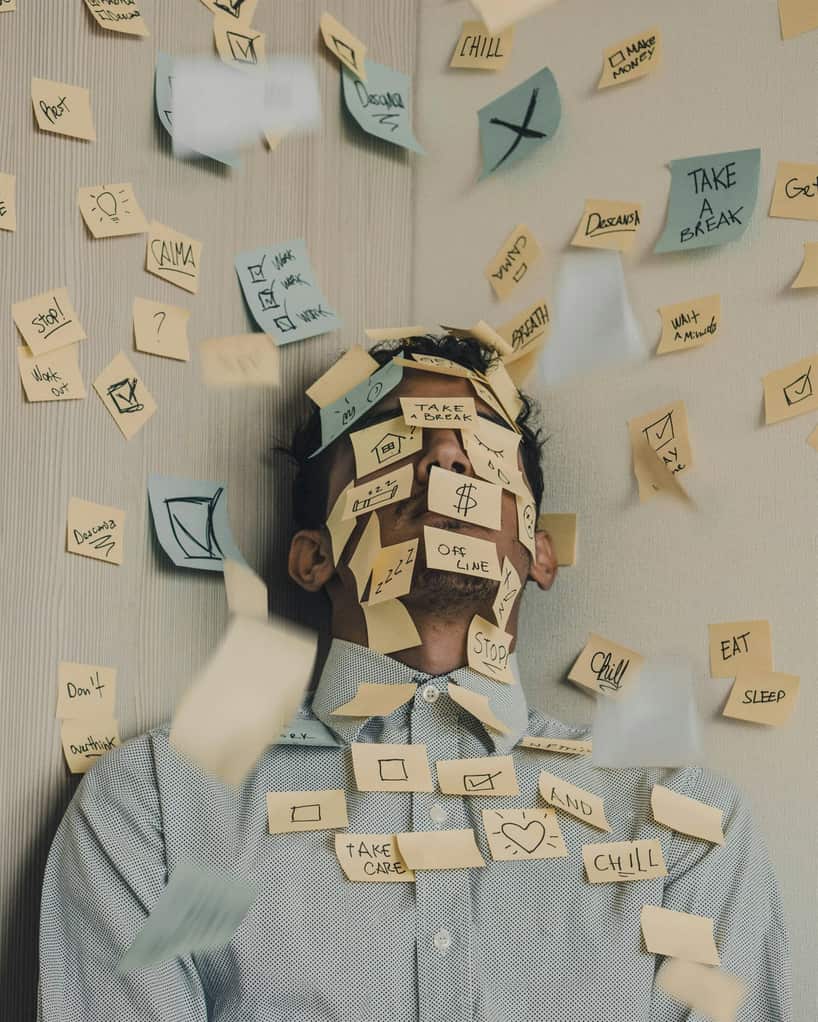
Understanding Trauma and Stress Disorders
When trauma or prolonged stress takes a toll on your mental health, it can lead to persistent anxiety, fear, emotional numbness, or difficulty functioning in daily life. Left untreated, these disorders can affect your relationships, work, and overall well-being.
- Acute Stress Disorder - Develops within the first month after a traumatic event, involving many of the same symptoms seen in PTSD.
- Adjustment Disorder - A stress response to an identifiable life change, such as a divorce, job loss, or major relocation, that feels out of proportion to the situation.
- PTSD - Develops after experiencing or witnessing a traumatic event and persists beyond a few months without treatment.
Seeking professional support through trauma therapy can help you process emotions, build healthy coping skills, and move forward with confidence. Every person's path to healing looks a little different.
What it looks like
Signs and Symptoms of Trauma and Stress Disorders
Symptoms can vary from person to person, but common signs include:

Common Signs
- Emotional Distress - Experiencing persistent anxiety, fear, anger, or sadness that feels difficult to manage.
- Intrusive Thoughts - Having flashbacks, nightmares, or distressing memories that interfere with daily life.
- Avoidance - Avoiding places, people, or situations that trigger painful memories.
- Hyperarousal - Feeling jumpy, easily startled, or having trouble relaxing or sleeping.
- Relationship Struggles - Struggling to trust others, feeling detached, or withdrawing from loved ones.
- Mood & Behavioral Changes - Experiencing sudden mood swings, irritability, or engaging in self-destructive behaviors.
If these symptoms sound familiar, you're not alone. Help is available, and healing is genuinely possible.
Schedule an AppointmentWhat causes it
Causes of Trauma and Stress Disorders
Experiencing Trauma
Whether it is a violent attack, abuse, combat, natural disaster, or major accident, distressing events can leave lasting emotional scars if left unaddressed.
In most cases, trauma and stress-related disorders develop from a combination of these factors rather than a single cause. Understanding your background helps our team build a more effective, personalized treatment plan.
Schedule an AppointmentHow we treat it
Trauma and Stress Treatment Options
Trauma-Focused Therapy
Our trauma therapy is designed to help you process and move beyond distressing experiences. Treatment can include Cognitive Behavioral Therapy (CBT) to reframe negative thoughts and build healthy coping strategies, Exposure Therapy for gradual, controlled exposure to distressing memories, and Eye Movement Desensitization and Reprocessing (EMDR) to help reprocess traumatic experiences.
Stress Management Support
For ongoing stress, we offer mindfulness and relaxation techniques to help reduce stress and bring emotional balance, along with psychotherapy and counseling to help navigate stress and trauma triggers.
Medication Management
Medication management may be appropriate when severe anxiety, depression, or sleep disturbances are contributing to trauma-related symptoms.
Across every age
Trauma and Stress Support for Teens and Adults
Trauma and Stress Support for Teens
Teens often face stress from academics, social pressures, and life changes, which can show up as anxiety, irritability, or behavioral changes. We provide age-appropriate assessments, coping strategies, and therapy to help teens manage stress effectively and build resilience.
Your first visit
What to Expect at Your First Appointment
Your first visit is about understanding what you're going through and finding a path forward. Our specialists take the time to discuss your experiences and assess how trauma or stress has impacted your life.
Whether it's therapy, relaxation techniques, or medication, we'll work together to create a treatment plan that fits your needs and feels right for you.


Questions
FAQs on Trauma and Stress Treatment
What is the difference between everyday stress and a trauma disorder?
−Everyday stress is a normal, temporary response to challenges that typically resolves once the situation passes. A trauma or stress-related disorder involves more persistent symptoms, like intrusive memories, avoidance, or emotional numbness, that interfere with daily life well beyond the original stressor.