


The basics
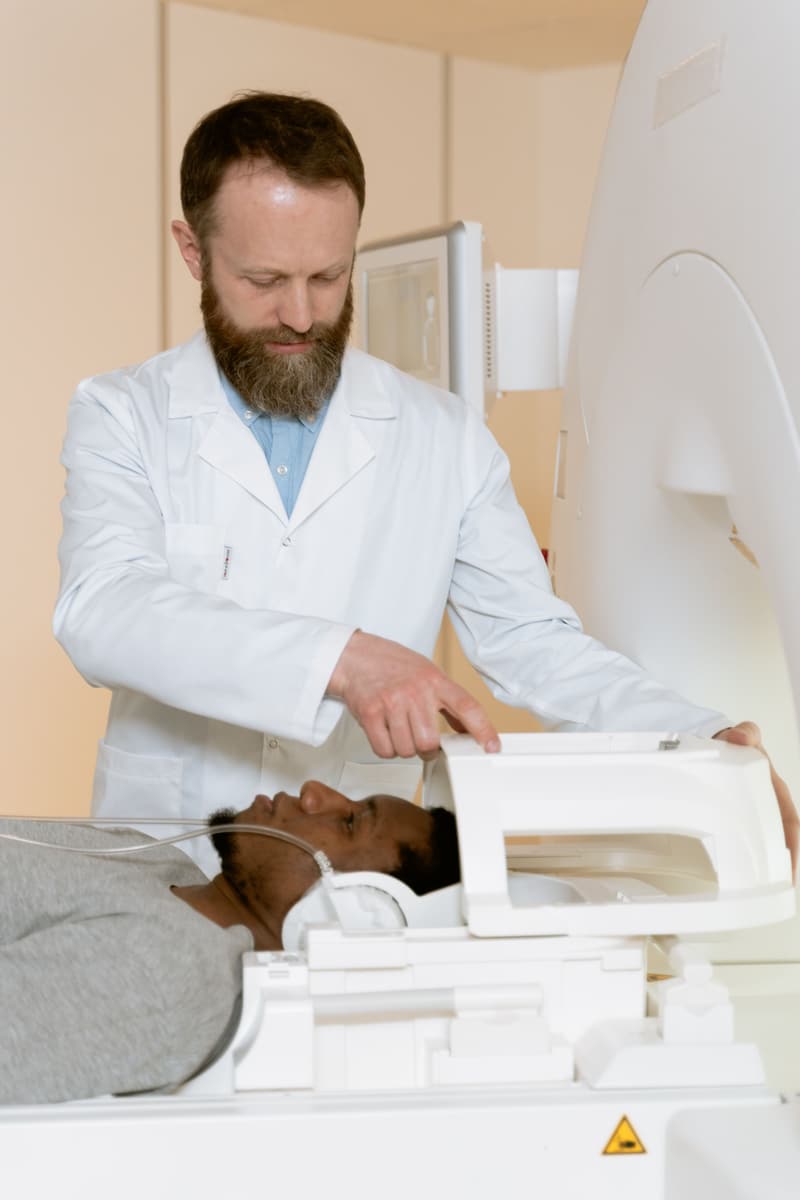
Understanding TMS Therapy
TMS therapy, or Transcranial Magnetic Stimulation, is a non-invasive treatment that uses magnetic pulses to stimulate the areas of the brain involved in mood regulation. Unlike medication, TMS doesn't rely on drugs or carry the same systemic side effects. It works directly on brain activity through a coil placed on the scalp.
- Magnetic pulses target the prefrontal cortex, an area often underactive in depression and anxiety.
- No anesthesia or sedation is required.
- Sessions are brief, and patients stay awake and alert throughout.
- Treatment is FDA-approved for depression and commonly used for related conditions.
Who it helps
Who Can Benefit From TMS Therapy
TMS therapy is commonly used for patients who haven't found enough relief through medication or therapy alone, including those managing:
Schedule an AppointmentIf standard treatment hasn't given you the results you need, TMS therapy is worth discussing with your psychiatrist. A short evaluation can determine whether it's the right next step for you.
Benefits
Benefits of TMS Therapy
TMS therapy offers a distinct set of advantages for patients exploring treatment beyond medication.
Schedule an AppointmentMany patients notice real improvements in mood, sleep, and overall functioning as treatment progresses. For some, the benefits continue well after the full course is complete.
Step by step
How TMS Therapy Works
Consultation & Assessment
Your psychiatrist reviews your symptoms and treatment history to determine whether TMS therapy is the right fit for you.
Personalized Treatment Plan
Once approved, you'll receive a treatment schedule built around your specific condition and goals.
Guided Treatment Sessions
During each session, a magnetic coil delivers gentle pulses to the targeted area of your brain. You'll stay awake throughout, feeling only a mild tapping sensation.
Ongoing Monitoring
Your care team tracks your progress at each visit, adjusting the plan as needed to keep treatment on track.
Your first visit
What to Expect During TMS Treatment
A typical course of TMS therapy involves daily sessions, five days a week, over four to six weeks, though your psychiatrist will tailor the exact schedule to your condition and response. Each session takes just a few minutes, and most patients feel only a mild tapping sensation on the scalp rather than any real discomfort.
You can return to your normal activities immediately after each session, including driving yourself home. Some patients notice mild, short-lived side effects like scalp discomfort or a headache in the first few sessions, which typically fade quickly.


Questions
FAQs on TMS Therapy
What is TMS therapy?
−TMS (Transcranial Magnetic Stimulation) is a non-invasive treatment that uses magnetic pulses to stimulate brain regions involved in mood regulation. It's most often used for depression, and also for anxiety and OCD, when other treatments haven't provided enough relief.